Sewage Field Installation in Denver, CO
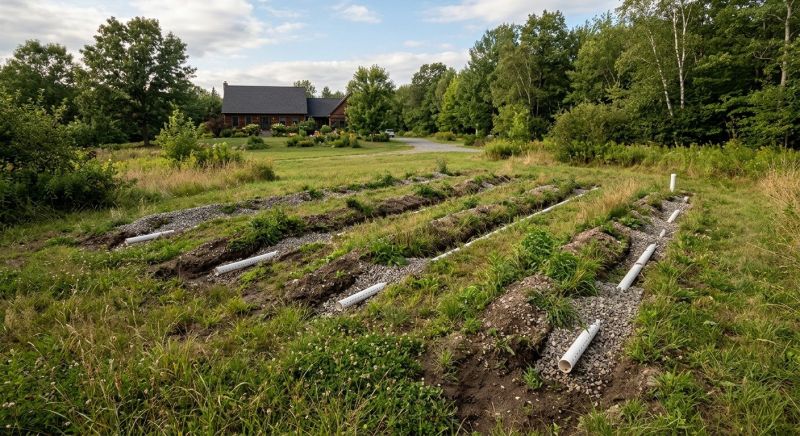
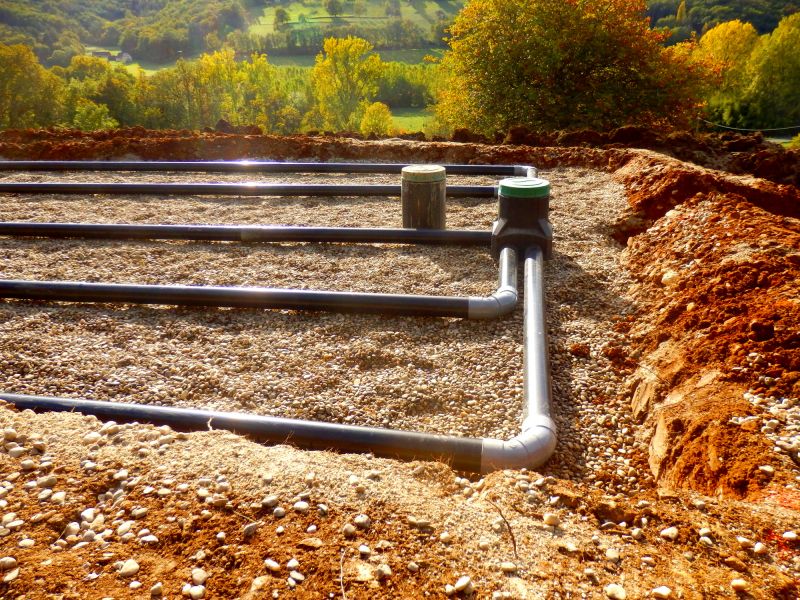
Sewage field installation services involve the setup of underground systems that carry wastewater from a property to a designated treatment area or septic system. These projects typically include designing and installing drain fields, which are crucial for proper sewage disposal for homes not connected to municipal sewer lines. Property owners often seek this service when building new homes, replacing outdated systems, or expanding existing properties to accommodate additional structures or increased wastewater flow. Understanding the site conditions, local regulations, and the scale of the project helps homeowners determine the appropriate system size and type needed for efficient and compliant sewage management.
Before requesting sewage field installation, property owners should consider factors such as soil composition, property size, and proximity to water sources, as these influence system design and placement. It’s also important to review local codes and permitting requirements to ensure compliance. Clear communication about the property's current infrastructure, future plans, and any existing drainage issues can help facilitate a smooth installation process. Proper planning and understanding of these elements can contribute to a reliable, long-lasting sewage disposal system tailored to the specific needs of the property.
Many property owners in Denver, CO look into Sewage Field Installation for repairs, replacements, upgrades, and appearance-related improvements.
Proper Sewage Field Design
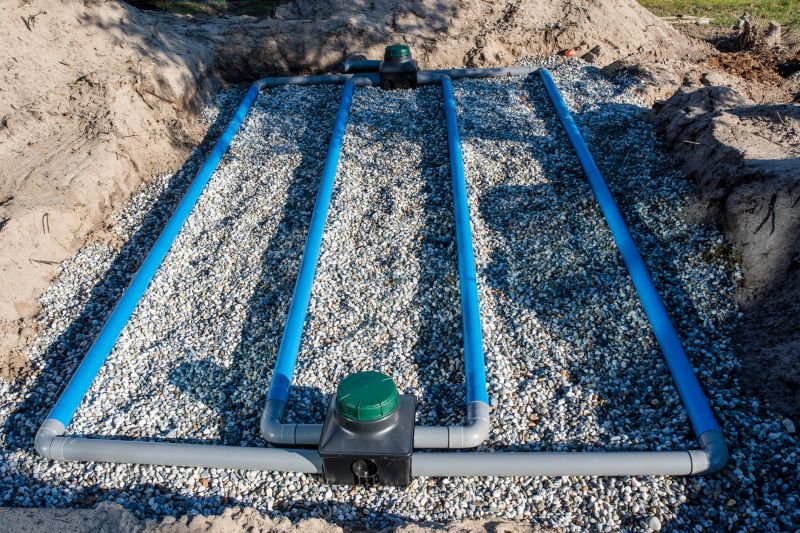
Ensuring the sewage system is correctly planned for your property’s size and usage needs.
Installation And Connection
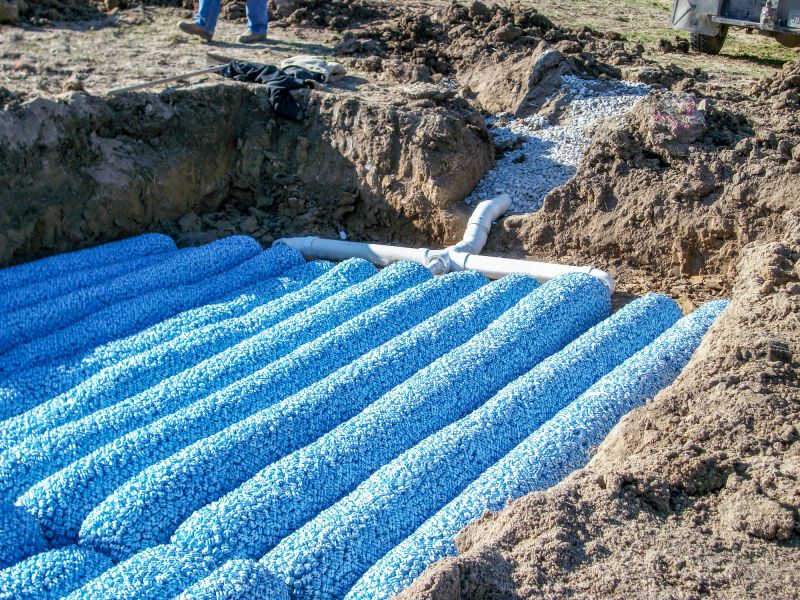
Setting up the sewage field to connect seamlessly with existing plumbing and drainage systems.
Maintenance And Troubleshooting
Providing ongoing care and solutions to keep the sewage system functioning efficiently in denver and nearby areas.
Sewage Field Installation in Denver, CO

Sewage field installation services involve the setup of underground systems that carry wastewater from a property to a designated treatment area or septic system. These projects typically include designing and installing drain fields, which are crucial for proper sewage disposal for homes not connected to municipal sewer lines. Property owners often seek this service when building new homes, replacing outdated systems, or expanding existing properties to accommodate additional structures or increased wastewater flow. Understanding the site conditions, local regulations, and the scale of the project helps homeowners determine the appropriate system size and type needed for efficient and compliant sewage management.
Before requesting sewage field installation, property owners should consider factors such as soil composition, property size, and proximity to water sources, as these influence system design and placement. It’s also important to review local codes and permitting requirements to ensure compliance. Clear communication about the property's current infrastructure, future plans, and any existing drainage issues can help facilitate a smooth installation process. Proper planning and understanding of these elements can contribute to a reliable, long-lasting sewage disposal system tailored to the specific needs of the property.
Many property owners in Denver, CO look into Sewage Field Installation for repairs, replacements, upgrades, and appearance-related improvements.
Common Sewage Field Installation Jobs
Sewage Field Installation - Installing new sewage fields to ensure proper wastewater management.
Sewage Field Replacement - Replacing outdated or failing sewage systems for improved function.
Sewage Field Expansion - Extending existing sewage systems to accommodate property growth.
Sewage Field Repair - Repairing leaks, clogs, or damaged components in sewage systems.
Sewage System Design - Planning and designing sewage fields tailored to property needs.
Sewage Field Maintenance - Providing ongoing inspection and upkeep of sewage disposal areas.
Sewage Field Installation Questions
What is sewage field installation? It involves setting up a drainage system to safely carry wastewater from a property to the main sewer line or a treatment area.
When is sewage field installation needed? This service is typically required during new construction, major property renovations, or when existing drainage systems fail or become outdated.
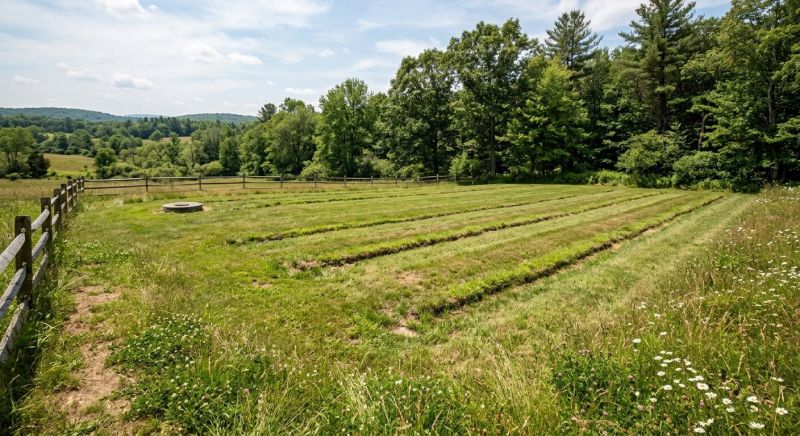
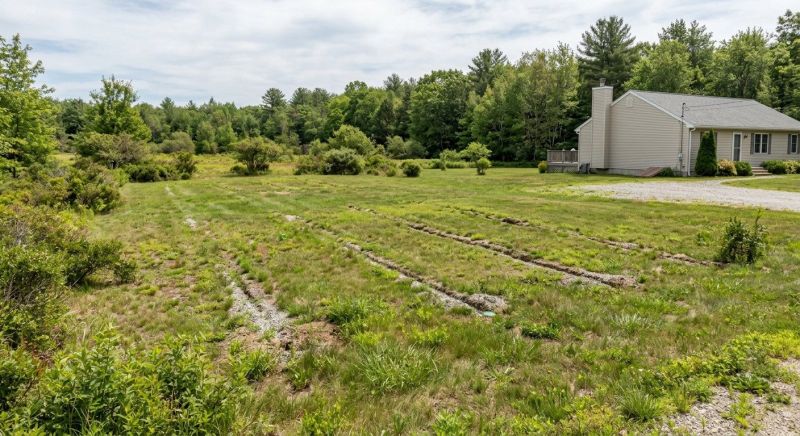
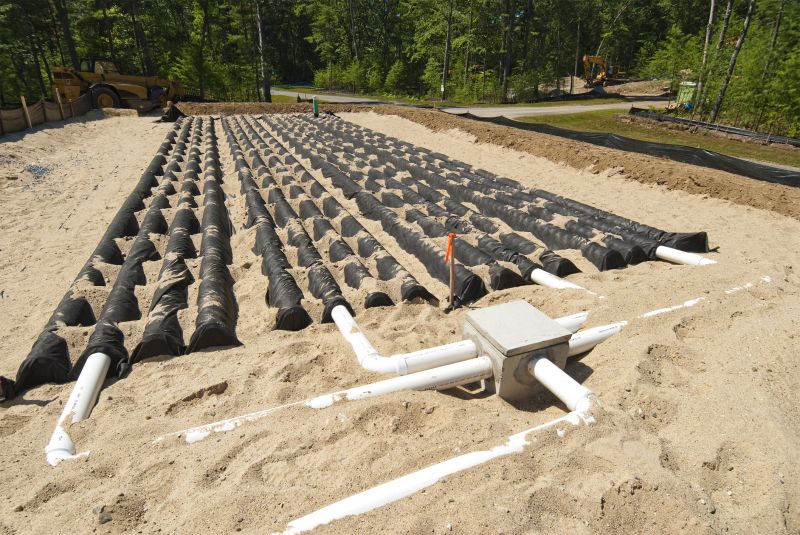
What types of sewage fields are commonly installed? Common options include trench, mound, and bed systems, selected based on property size, soil conditions, and local regulations.
What should property owners consider before installation? It's important to evaluate soil suitability, property layout, and drainage needs to ensure proper system performance and compliance.
Request Sewage Field Installation in Denver, CO
Use the quote form on this page to share the basics of your project and request more information for the type of work you need.