Piping Replacement in Denver, CO
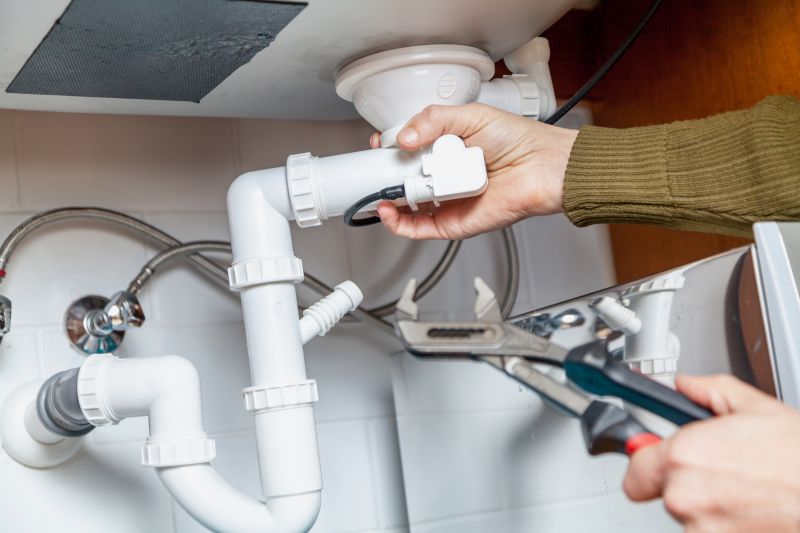
Piping replacement services involve removing and installing new pipes within a property’s plumbing system to ensure reliable water flow and prevent leaks. These projects typically include replacing aging or damaged water supply lines, drain pipes, or gas lines, especially in cases where existing piping has become corroded, cracked, or inefficient. Homeowners often request this service when experiencing frequent leaks, low water pressure, or signs of pipe deterioration, and they want to understand the scope of work, the materials used, and how the replacement can improve the overall functionality of their plumbing system.
Before requesting piping replacement, property owners usually seek information about the types of pipes suitable for their needs, the potential impact on daily routines during installation, and the expected longevity of the new piping. It’s also common to inquire about the process for identifying problem areas and ensuring that the new pipes meet current building codes. Clear understanding of these aspects helps homeowners make informed decisions about upgrading their plumbing infrastructure and ensures the project aligns with their property’s specific requirements.
Many property owners in Denver, CO look into Piping Replacement for repairs, replacements, upgrades, and appearance-related improvements.
Signs You Need Piping Replacement
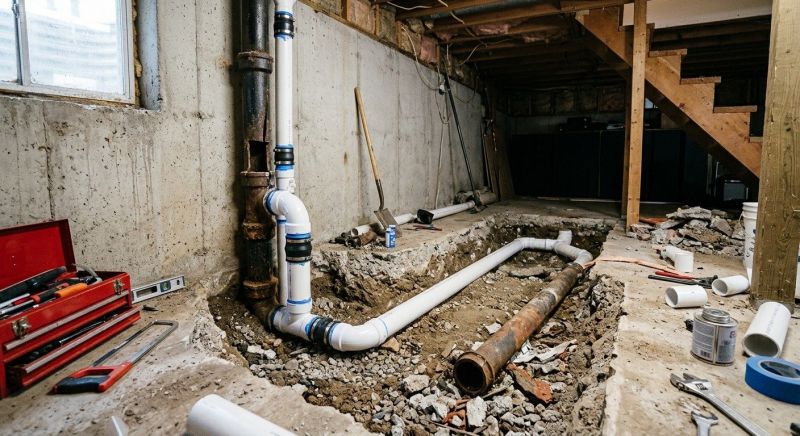
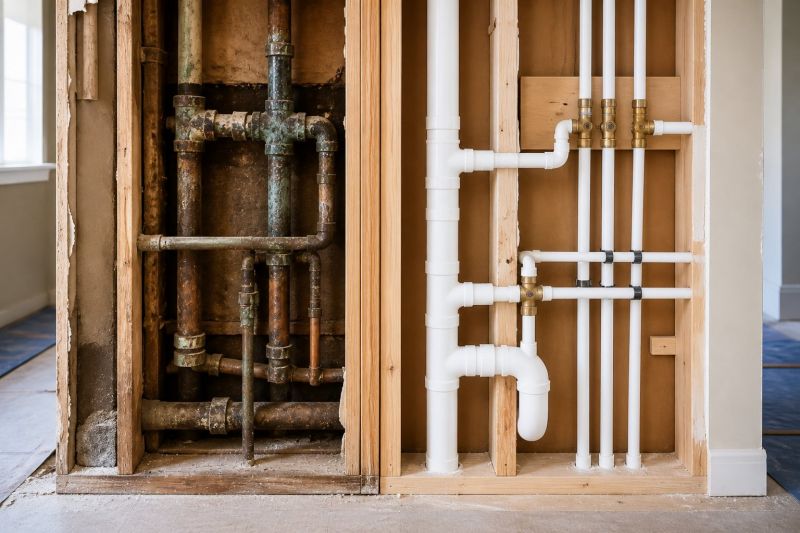
Older pipes may show signs of leaks, corrosion, or reduced water pressure that require attention.
Types Of Piping Systems
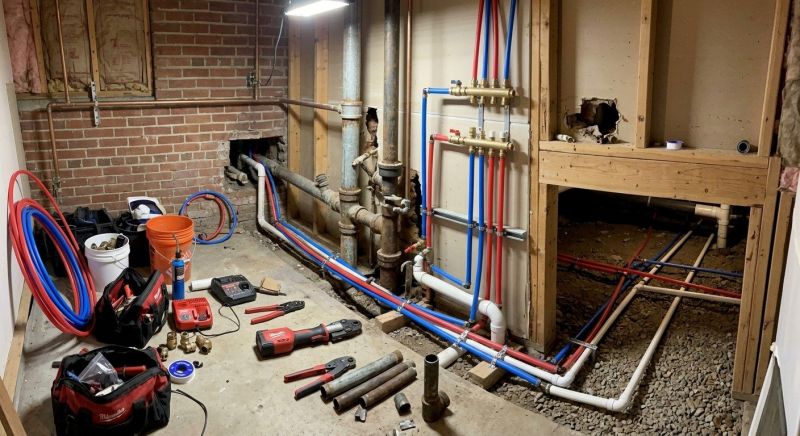
Common piping materials include copper, pex, and galvanized steel, each suited for different plumbing needs.
Benefits Of Piping Replacement
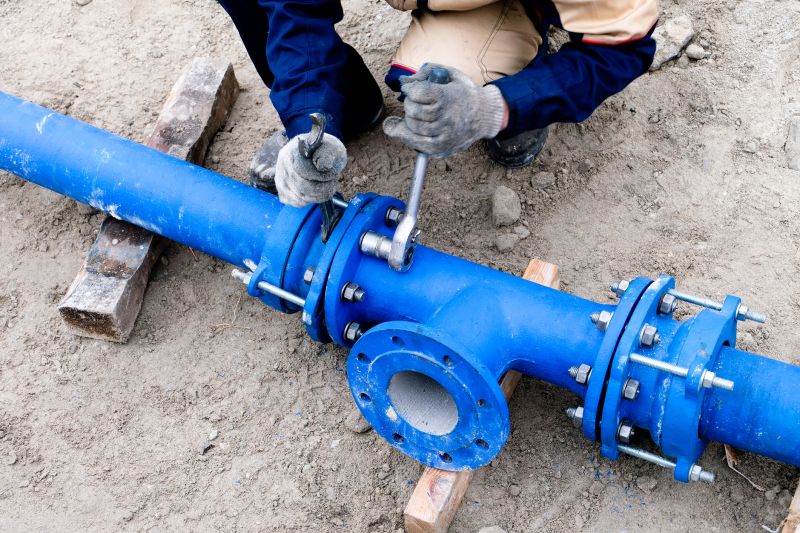
Upgrading pipes can improve water quality, prevent future leaks, and enhance overall plumbing system reliability in denver homes.
Piping Replacement in Denver, CO

Piping replacement services involve removing and installing new pipes within a property’s plumbing system to ensure reliable water flow and prevent leaks. These projects typically include replacing aging or damaged water supply lines, drain pipes, or gas lines, especially in cases where existing piping has become corroded, cracked, or inefficient. Homeowners often request this service when experiencing frequent leaks, low water pressure, or signs of pipe deterioration, and they want to understand the scope of work, the materials used, and how the replacement can improve the overall functionality of their plumbing system.
Before requesting piping replacement, property owners usually seek information about the types of pipes suitable for their needs, the potential impact on daily routines during installation, and the expected longevity of the new piping. It’s also common to inquire about the process for identifying problem areas and ensuring that the new pipes meet current building codes. Clear understanding of these aspects helps homeowners make informed decisions about upgrading their plumbing infrastructure and ensures the project aligns with their property’s specific requirements.
Many property owners in Denver, CO look into Piping Replacement for repairs, replacements, upgrades, and appearance-related improvements.
Common Piping Replacement Jobs
Residential piping replacement involves updating aging or damaged pipes to ensure reliable water flow throughout a home.
Commercial piping upgrades focus on replacing outdated or failing pipes to meet building codes and prevent disruptions.
Leak repair and pipe replacement address hidden or visible leaks by replacing compromised piping sections.
Emergency pipe replacement provides quick solutions for burst or severely damaged pipes to minimize property damage.
Whole-house piping replacement involves replacing all plumbing lines to improve water quality and system efficiency.
Outdoor piping replacement includes upgrading underground or exterior pipes exposed to weather and soil conditions.
Piping Replacement Questions
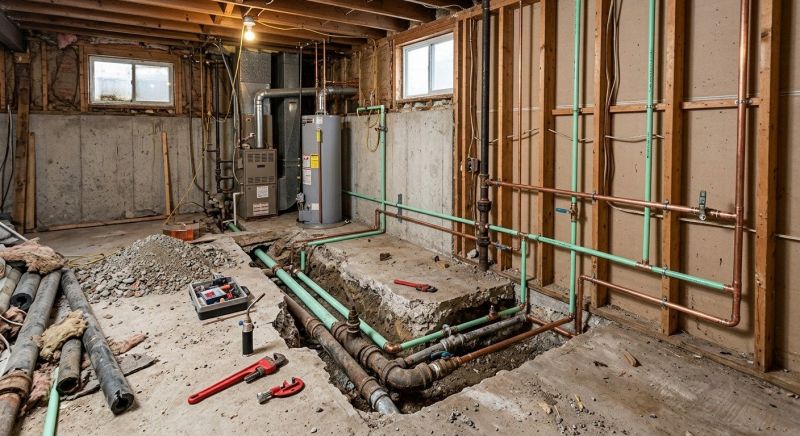
When should a property owner consider piping replacement? Piping replacement is recommended when pipes show signs of corrosion, frequent leaks, or reduced water flow, especially in older systems.
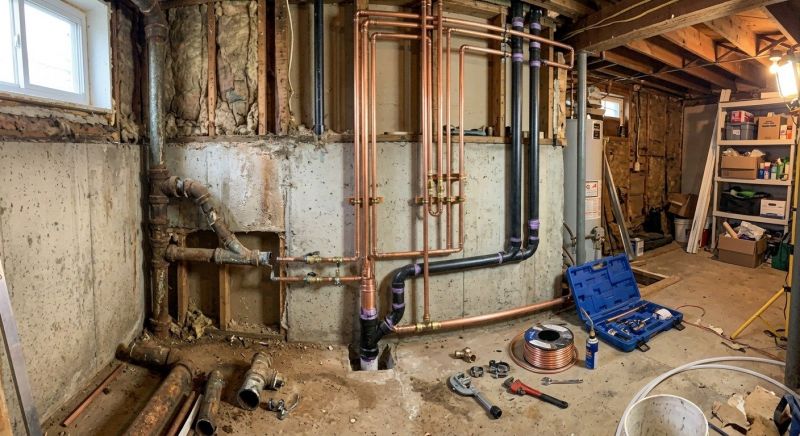
What types of piping materials are commonly replaced? Commonly replaced pipes include galvanized steel, cast iron, and outdated copper, often replaced with modern materials like PEX or PVC.
What are typical signs indicating a need for pipe replacement? Signs include discolored or foul-smelling water, persistent leaks, low water pressure, or visible pipe deterioration.
What projects typically involve piping replacement? Projects often involve replacing entire water supply lines, sewer lines, or upgrading pipes in renovations and aging properties.
Request Piping Replacement in Denver, CO
Use the quote form on this page to share the basics of your project and request more information for the type of work you need.